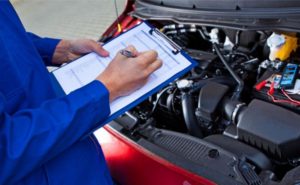
Signs Your Car Needs a Service (Even If the Warning Light Hasn’t Come On)

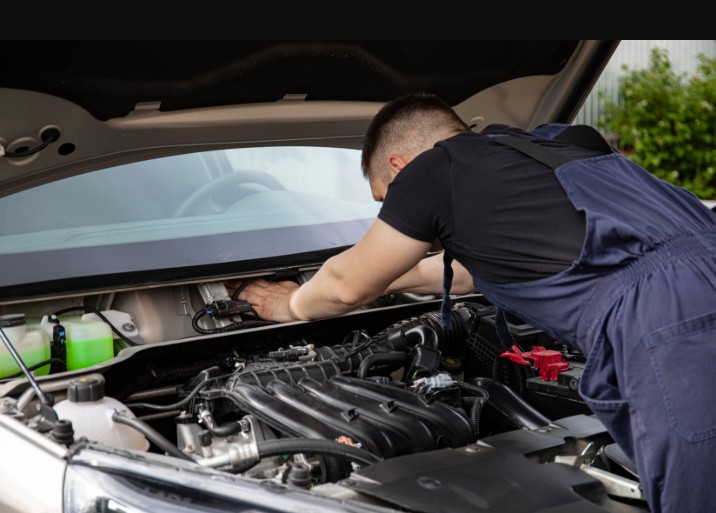
Your car needs a service when you notice warning signs such as unusual noises, dashboard warning lights, reduced fuel efficiency, spongy brakes, or dark engine oil — even if the scheduled service date hasn’t arrived yet. Catching these signs early is the difference between a routine service and a costly repair.

Signs your car needs a service:

  • Engine or service warning light is on
  • Engine oil is dark, low, or gritty
  • Unusual noises when braking, turning, or accelerating
  • Car pulling to one side while driving
  • Spongy or unresponsive brakes
  • Higher fuel consumption than usual
  • Unusual smells coming from the engine or cabin
  • Vibrations through the steering wheel or seat
  • Slow or sluggish engine crank on start-up
  • It has been 12 months or 10,000 km since your last service

Most drivers wait for the service light to flash before booking their car in. It’s an easy habit to fall into — life gets busy, the car feels fine, and as long as nothing seems obviously wrong, it’s tempting to put it off. The problem is, your car rarely breaks down without warning. Long before anything fails, it sends signals. Small changes in how it sounds, feels, smells, or performs are your vehicle’s way of saying something needs attention.

At Carnegie Automotive, our experienced team provides car service in Bentleigh and surrounding suburbs every day. We see vehicles regularly that could have been saved from major damage with a simple, timely service. Here are the signs you should never ignore.

1. Your Engine Warning Light Is On

If your check engine light or service light is on and you’ve been driving around hoping it’ll sort itself out — it won’t. That light represents a fault code stored in your car’s computer, and it covers everything from a loose fuel cap to a failing oxygen sensor to something far more serious.

Even if the car feels and drives completely fine, get it checked. Modern vehicles can mask significant problems behind normal-feeling performance. A quick diagnostic scan by trusted mechanic in Bentleigh East will tell you exactly what the code means and whether it needs urgent attention or can wait for your next scheduled service.

2. Your Engine Oil Is Dark, Gritty, or Low

Engine oil is the lifeblood of your vehicle. Fresh oil is typically amber in colour and fairly transparent. As it does its job — lubricating engine components, absorbing heat, and carrying away microscopic debris — it darkens and eventually breaks down.

Pull out your dipstick. If the oil is jet black, gritty to the touch, or sitting below the minimum mark, your car needs an oil change straightaway. Running an engine on old or low oil causes accelerated wear on internal components and, in extreme cases, can lead to catastrophic engine failure. Most modern vehicles need an oil change every 10,000–15,000 km — but if you’re doing a lot of short trips around Melbourne’s stop-start traffic, check it more frequently.

3. Your Car Is Making Noises It Didn’t Before

New noises are almost always a sign that something has changed — and not for the better. Here are the ones to take seriously:

  • Squealing or grinding when you brake — worn brake pads or rotors. A safety issue that needs immediate attention.
  • Knocking or tapping from the engine — often indicates low oil pressure or worn engine components.
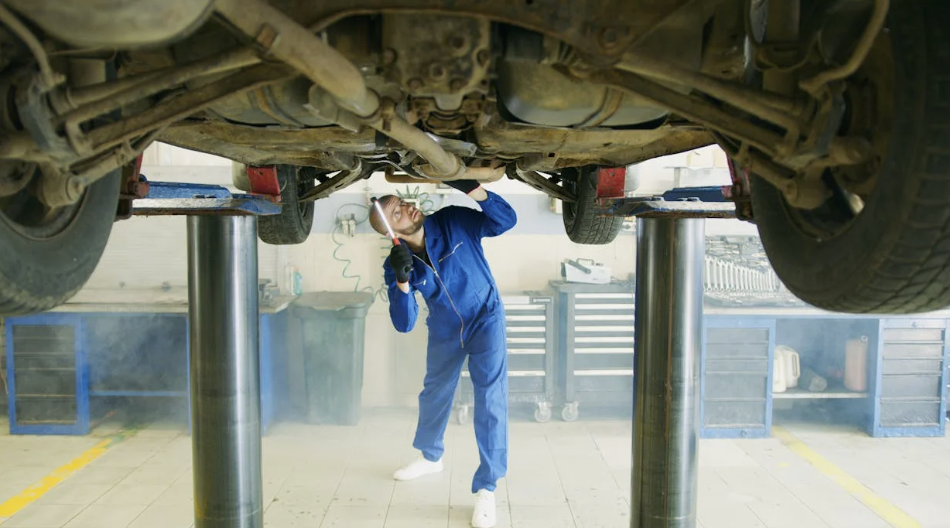
  • Rattling underneath the car — could be a loose exhaust, heat shield, or suspension component.
  • Whining when you turn the steering wheel — a sign of low power steering fluid or a failing pump.
  • Clicking when you accelerate or turn — often points to worn CV joints in front-wheel-drive vehicles.

None of these sounds improve on their own. The longer they’re left, the more damage accumulates — and the more expensive the repair becomes.

4. Your Car Is Pulling to One Side

If your car drifts left or right without any input from you, something is out of alignment. This is a common sign that your wheel alignment or wheel balancing is off, often caused by hitting a pothole or kerb, or simply normal wear over time.

Misalignment doesn’t just make driving harder — it causes uneven and premature tyre wear, which means you’ll be replacing tyres far sooner than necessary. A wheel alignment check is a quick, affordable job that can save you hundreds of dollars in the long run.

5. Your Brakes Feel Spongy or Less Responsive

Your brakes should feel firm and responsive the moment you press the pedal. If you’re pressing harder than usual to slow down, or the pedal feels soft underfoot, this is a serious warning sign that needs immediate attention.

Possible causes include worn brake pads, low brake fluid, air in the brake lines, or a failing master cylinder. Whatever the cause, compromised brakes are a safety issue — not just for you, but for every other driver and pedestrian around you. Don’t wait for your next scheduled service if your brakes don’t feel right.

6. Your Car Is Using More Fuel Than Usual

A noticeable drop in fuel efficiency — where you’re filling up more often than you used to — is a classic sign that your engine isn’t performing at its best. Several service-related issues can cause this: a dirty air filter, worn spark plugs, a clogged fuel injector, or a failing oxygen sensor.

The good news is that most of these are routine service items. A scheduled car service will typically address spark plugs, filters, and fuel system components as part of a standard logbook service — getting your fuel economy back to where it should be.

7. You Can Smell Something You Shouldn’t

Your nose is one of the most reliable diagnostic tools you have. If you notice any of these smells, take note:

  • Burning oil — could indicate an oil leak dripping onto hot engine components
  • Sweet or syrupy smell — often coolant leaking, which can lead to engine overheating
  • Rotten egg or sulphur — a sign of a failing catalytic converter
  • Burning rubber — could be a slipping drive belt or a brake issue
  • Petrol smell inside the cabin — a potential fuel leak, which is a fire hazard requiring urgent attention

Any unusual smell is your car’s way of flagging that something has changed. Don’t brush it off.

8. Your Car Is Vibrating or Shuddering

A smooth ride is a sign of a well-maintained vehicle. If you’re feeling vibrations through the steering wheel, the seat, or the pedals — especially at certain speeds — it’s time to get things checked. Common causes include unbalanced or damaged tyres, worn wheel bearings, warped brake rotors, or worn suspension components. Minor fixes when caught early; expensive repairs when left too long.

9. Your Battery Is Sluggish to Start

If your engine is slow to crank in the morning — especially on those chilly Melbourne winter days — your battery is starting to lose its punch. Most car batteries last between 3 and 5 years, but heat, short trips, and everyday use gradually wear down their ability to hold a charge. Once they start struggling, it’s only a matter of time before they give up entirely.

A sluggish start is your battery giving you an early heads-up — and it’s worth acting on it. Booking a battery test sooner rather than later means you get to plan ahead for car battery replacement on your own terms, rather than discovering the problem at 7am in a shopping centre car park with nowhere to be and no one to call. A quick test takes minutes and could save you a very inconvenient morning.

10. It’s Simply Been a While

Even if your car feels perfectly fine and none of the above signs apply, regular servicing is still essential. Most manufacturers recommend a service every 12 months or every 10,000–15,000 km — whichever comes first. Routine servicing replaces fluids and filters before they cause damage, checks safety-critical components like brakes and tyres, and ensures your vehicle is operating exactly the way it was designed to.

Think of it like a health check. You don’t wait until you’re sick to see a doctor — and you shouldn’t wait until your car breaks down to see a mechanic.

Book Your Car Service in Bentleigh East Today

If any of these signs sound familiar, don’t put it off. At Carnegie Automotive, we deliver honest, thorough car service from routine logbook servicing to full mechanical repairs. Our qualified mechanic will inspect your vehicle properly, tell you exactly what it needs, and get it sorted without the guesswork or unnecessary upselling.

We’re proud to serve drivers across Bentleigh East, Carnegie, Murrumbeena, Glen Huntly, Caulfield South, Ormond, Huntingdale, Oakleigh and Hughesdale and all surrounding suburbs. No matter which suburb you’re coming from, Carnegie Automotive is your trusted local mechanic — and we’ll treat your car like our own.

Call us today on (03) 9563 6717 to book your service, or  Book now to lock in a time that suits you. Don’t wait for a breakdown to remind you — book your service before the problem finds you.

Frequently Asked Questions

How often should I service my car in Australia?

Most manufacturers recommend a car service every 12 months or every 10,000–15,000 km — whichever comes first. If you do a lot of short trips, towing, or driving in dusty conditions, more frequent servicing is advisable. Always check your vehicle’s logbook for the manufacturer’s recommended schedule.

What happens if you don’t service your car regularly?

Skipping regular car services leads to accelerated engine wear, increased fuel consumption, and a higher risk of unexpected breakdowns. It can also void your manufacturer’s warranty on newer vehicles and significantly reduce your car’s resale value. Small issues left unchecked become expensive repairs — regular servicing is always the cheaper option long-term.

Can I drive my car if the service light is on?

It depends on which light is on and how it’s behaving. A steady service light usually means a scheduled maintenance item is due — safe to drive but book in soon. A flashing warning light, or a light accompanied by unusual noises or smells, means pull over safely and call a mechanic. When in doubt, don’t risk it.

What is included in a car service?

A standard logbook service typically includes an engine oil and filter change, inspection of brakes, tyres, belts, and hoses, top-up of all fluids, a safety check of lights and steering, and a diagnostic scan for fault codes. A major service adds spark plugs, air filter, fuel filter, and a more comprehensive inspection of all major systems. Your mechanic will advise what your specific vehicle needs at each service interval.

Flat Battery vs. Failing Battery: What’s the Difference?

There’s nothing worse than turning the key or pressing the ignition button, only to be met with silence or a sluggish, struggling engine that just won’t fire. Car battery problems are one of the most common reasons Melbourne drivers find themselves stranded, yet “flat battery” and “failing battery” are terms that get used interchangeably all the time.

They’re not the same thing. And confusing one for the other can cost you time, money, and a roadside breakdown you didn’t see coming.

At Carnegie Automotive in Bentleigh East, we test and replace car batteries every single day. In this guide, we’ll explain the real difference between a flat battery and a failing one, how to spot the warning signs, and what to do next.

What Is a Flat Battery?

A flat battery is a battery that has been temporarily discharged it still works, it’s just run out of power. This usually happens because of something you’ve done (or forgotten to do):

  • Left your headlights or interior lights on overnight
  • Left the car sitting unused for an extended period
  • A short trip that didn’t give the alternator enough time to recharge the battery

In most cases, a flat battery can be jump-started or put on a charger and will return to normal performance. Once fully recharged, it behaves like a healthy battery because it is one.

What Is a Failing Battery?

A failing battery is a different story. This is a battery that has deteriorated internally and can no longer hold a charge properly, regardless of how much you charge it. Common causes include:

  • Internal cell damage from repeatedly deep-discharging the battery
  • Prolonged exposure to extreme heat or a faulty charging system
  • Simply reaching the end of its service life

A failing battery won’t be fixed by jump-starting or recharging. It will continue to cause problems until it’s replaced.

Flat Battery vs. Failing Battery

Flat BatteryFailing Battery
CauseExternal — lights left on, long storageInternal — age, damage, worn cells
OnsetSuddenGradual, over weeks or months
FixRecharge or jump-startReplacement
RecurrenceUnlikely if cause addressedVery likely — problem keeps returning
Jump-start works?Yes, reliablySometimes, but only temporarily
Battery ageAny ageUsually 3+ years old
CostMinimal (charge or jump)Battery replacement required

How to Tell the Difference: Warning Signs

Signs of a Flat Battery

  • The car was completely fine the day before
  • You know you left a light on or the car sat unused for weeks
  • One jump-start gets you going and the car runs normally
  • The battery holds charge after being fully recharged

Signs of a Failing Battery

  • Slow, sluggish engine cranking especially on cold mornings
  • Dimming headlights or flickering dashboard lights
  • The car struggles to start even after a short time sitting
  • You’ve needed multiple jump-starts in recent weeks
  • Electrical glitches: infotainment resets, sensors misbehaving, warning lights appearing

If you’re frequently reaching for the jumper cables, that’s your battery telling you it’s done. Jump-starting a failing battery buys you time it doesn’t fix the problem.

Why a Failing Battery Affects More Than Just Starting

Modern vehicles rely heavily on electronics. Your battery doesn’t just start the engine it powers sensors, electric steering systems, stop-start technology, infotainment, and safety systems.

A deteriorating battery can trigger fault codes and warning lights that have nothing to do with the systems they’re pointing at. We regularly see cars come in with mysterious electrical gremlins that turn out to be a weak battery causing voltage drops across the system.

In vehicles with stop-start technology, a failing battery has an even bigger impact — the system depends entirely on a healthy, high-capacity battery to restart the engine dozens of times per journey.

This is why catching a failing battery early during a routine car service in Bentleigh East is so much better than waiting for a breakdown.

What About the Alternator?

One thing many drivers miss: if your alternator is faulty, it can drain a perfectly healthy battery making a good battery look flat or failing.

The alternator charges your battery while the engine runs. If it’s not working properly, your battery slowly depletes even while driving. A voltage regulator fault can also cause overcharging, which damages battery cells over time.

This is why a proper battery test should always include a check of the charging system. Replacing the battery without checking the alternator is one of the most common and costly mistakes we see.

How We Test Your Battery at Carnegie Automotive

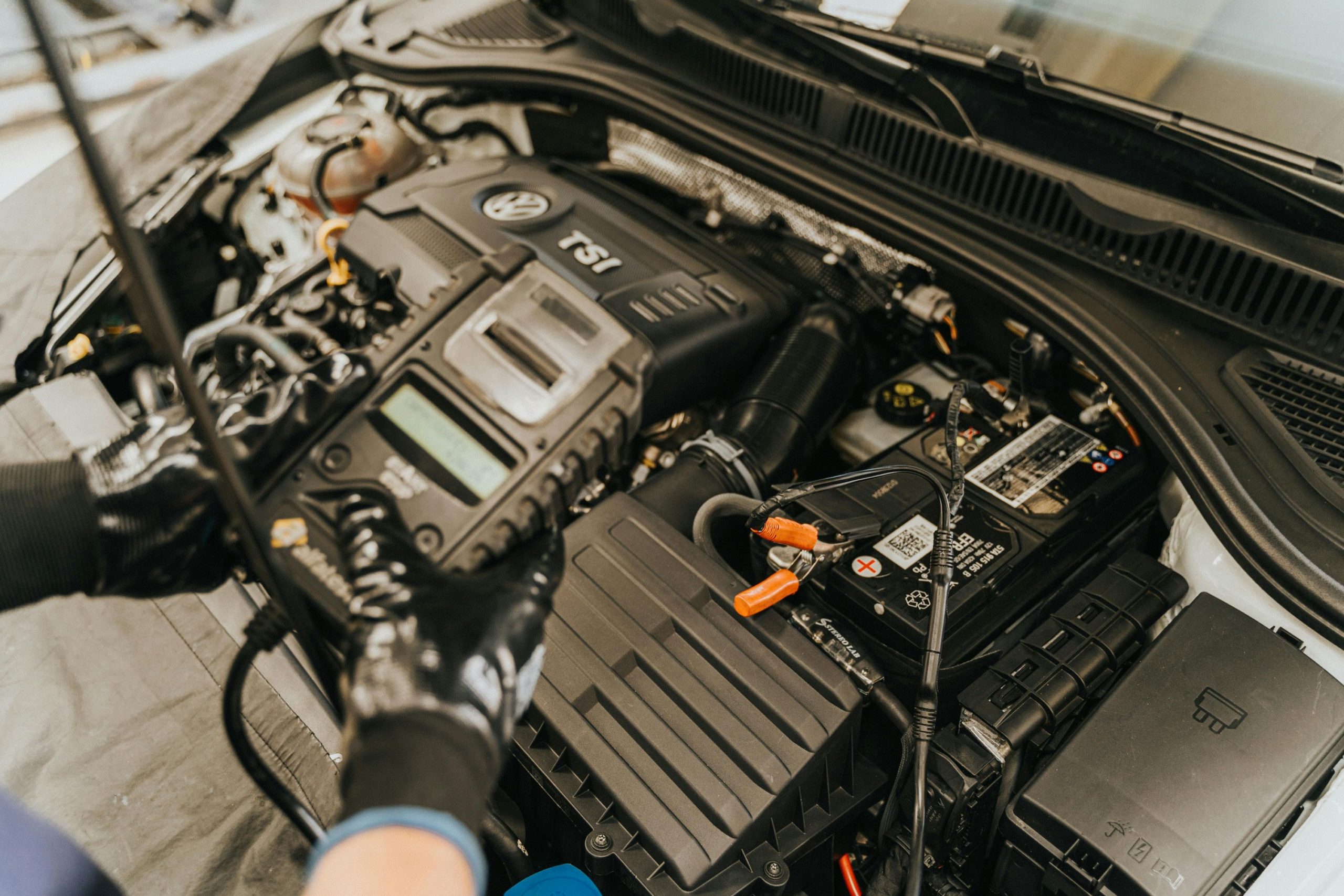
Our mechanics use a computerised battery load tester that measures how well your battery performs under real-world conditions not just whether it shows voltage. The test tells us:

  • Current charge level
  • Cold cranking amps (CCA) vs. rated capacity
  • Internal resistance and cell health
  • Whether the charging system (alternator and regulator) is functioning correctly

The whole process takes about 10 minutes and gives you a clear, accurate picture of your battery’s condition. We’ll tell you straight whether your battery needs a recharge, a close watch, or a replacement no guesswork, no upselling.

If you need a car battery replacement in Bentleigh East, we carry a wide range of batteries to suit all makes and models, and we’ll fit and test the new one on the spot.

How Long Does a Car Battery Last in Melbourne?

Most car batteries last between 3 and 5 years. Melbourne’s summer heat accelerates internal wear faster than cold does especially for drivers doing frequent short trips where the battery never gets a full recharge cycle.

If your battery is approaching the 3-year mark, get it load-tested at your next service even if it seems fine. A battery can pass a basic voltage check and still be on its way out.

Frequently Asked Questions

Can a flat battery damage my car?

A single flat battery event is unlikely to cause lasting damage. However, repeatedly draining a battery completely can shorten its life significantly. If you’ve had several flat batteries in a short period, it’s worth having the charging system checked.

Will my car battery recharge itself while driving?

Yes but only if your trips are long enough. Short drives under 15–20 minutes may not fully recharge a depleted battery. If you mostly do short runs around Bentleigh East or Oakleigh, a home battery charger is a smart investment.

How much does a car battery replacement cost in Melbourne?

Battery prices vary depending on make, model, and battery type. At Carnegie Automotive, we’ll give you an honest quote before any work is done. Call us on (03) 9563 6717 for a no-obligation price.

Can I test my battery myself?

You can check resting voltage with a basic voltmeter (12.6V is healthy; below 12V is low), but this won’t tell you how the battery performs under load which is what actually matters. A proper load test at our workshop gives a far more accurate picture.

Does cold weather affect car batteries?

Yes. Cold weather reduces a battery’s ability to deliver power, which is why struggling starts are more common on winter mornings. A battery that’s borderline in summer will often fail once the temperature drops. If you’re heading into the cooler months, it’s a good time to get yours tested.

Book a Battery Test in Bentleigh East

Whether your car won’t start, you’ve had one too many flat batteries lately, or you just want peace of mind ahead of a long drive Carnegie Automotive is here to help.

We’re proud to serve drivers across Bentleigh East, Carnegie, Murrumbeena, Glen Huntly, Caulfield South, Ormond, Huntingdale, Oakleigh and Hughesdale and all surrounding suburbs. Call us on (03) 9563 6717 Or book online and we’ll get your battery sorted quickly.

Tips to Pass Your Roadworthy Inspection the First Time

Making sure your car is in safe working order isn’t just important—it’s a legal requirement if you plan to sell or re-register your vehicle. One of the key steps in this process is obtaining a roadworthy certificate Bentleigh East, which confirms your vehicle meets the minimum safety standards required on Australian roads. Whether you’re preparing your car for sale or simply want to ensure it’s safe to drive, knowing how to pass the inspection the first time around can save you time, money, and frustration.

Check Tyres for Wear and Damage

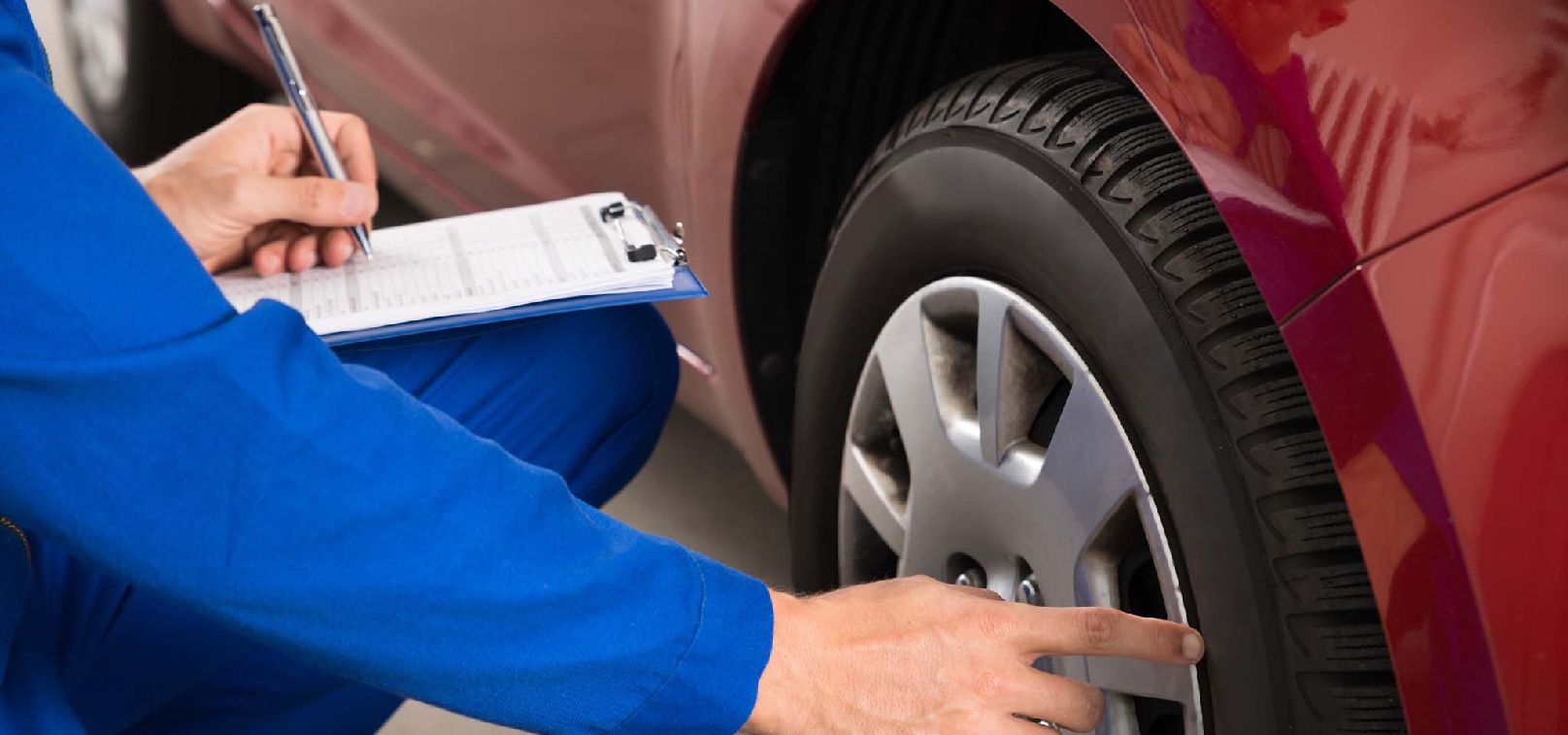
One of the most common reasons vehicles fail a roadworthy certificate inspection is worn or damaged tyres Bentleigh East. Tyres that are bald, cracked, or unevenly worn can compromise grip and safety, especially in wet conditions.

Start by checking the tread depth. In Victoria, tyres must have at least 1.5 mm of tread depth across the entire surface. If they’re close to the limit or showing signs of uneven wear, it’s best to replace them before the inspection. Also, inspect for sidewall damage such as bulges or cracks, as these can lead to an automatic fail.

Tyre pressure matters too. Low pressure can cause increased wear, while over-inflation can reduce grip. Ensuring your tyres are in good condition and properly inflated helps maintain road contact and vehicle control—and boosts your chances of passing on the first go.

Inspect Lights, Indicators, and Electrical Components

Lights are a simple but essential part of the inspection process. Faulty bulbs or flickering indicators are among the most overlooked issues when preparing for a roadworthy check.

Check that all exterior lights are working—this includes headlights (high and low beam), brake lights, tail lights, indicators, and number plate lights. Don’t forget to inspect the hazard lights and reverse lights too. If any bulbs are out, replace them with the correct type before your appointment.

Beyond lighting, ensure that other electrical functions such as the horn, windscreen wipers, and demisters are operational. If you’ve noticed a slow power window or an issue with your dash lights, it may be worth having them looked at before inspection day.

Brakes and Steering: Crucial for Safety

Brakes and steering are at the heart of vehicle safety, and any issues here are taken seriously during a roadworthy inspection.

For brakes, listen for any squealing or grinding noises, which may indicate worn-out pads or rotors. You should also pay attention to how the brake pedal feels—if it’s too soft or too hard, it may require servicing. If the vehicle pulls to one side when braking, that’s another red flag.

Steering components must also be in good condition. Loose or worn-out steering arms or power steering leaks can lead to a failed inspection. If your steering wheel vibrates or doesn’t return smoothly to the centre after turning, have it checked by a qualified mechanic Bentleigh East.

Keeping up with routine car service appointments is the best way to ensure these components stay in working order and roadworthy.

Windscreens, Mirrors, and Visibility

Your windscreen must be free of cracks and chips, especially in the driver’s line of sight. Even a small crack can lead to a fail if it affects visibility or compromises the structure of the glass.

Windscreen wipers and washers should be functioning properly to clear rain effectively. Replacing old or streaky wiper blades is a quick and affordable fix that can make a big difference on inspection day.

Mirrors should be clean, stable, and undamaged. Side mirrors must not be cracked or loose, and the rear-view mirror should offer a clear, unobstructed view. Any obstruction to visibility, such as items hanging from the mirror or stickers on the windscreen, should be removed before the inspection.

General Vehicle Condition and Cleanliness

While cosmetic flaws like faded paint won’t affect your roadworthy certificate, structural integrity and safety-related components certainly will. Make sure the doors, bonnet, and boot open and close properly, and that all seatbelts retract fully and latch securely.

Check for any rust, especially around the chassis and floor area. Rust that compromises the strength of the vehicle can result in an immediate fail. Also, fluid leaks—from the engine, transmission, or cooling system—are another big red flag.

A clean car doesn’t just look better—it helps the inspector do their job more efficiently. Remove personal items, give the vehicle a vacuum, and consider a basic wash. It’s a simple way to show the car has been well looked after, which always leaves a good impression.

Passing your roadworthy certificate inspection the first time is achievable with a bit of preparation and attention to detail. By regularly booking a car service, keeping an eye on your tyres, and working with a trusted mechanic, you’ll be in the best possible position to pass without delay.

If you’re getting ready for a roadworthy check or looking to purchase through used car sales Bentleigh East, it’s always worth speaking to professionals who understand what to look for.

Need help preparing your vehicle for inspection? The team at Carnegie Automotive is here to help. Call us today on (03) 9563 6717 to book an appointment. You can also find us on our Google Business Profile for directions, opening hours, and service details.


How To Choose The Right Tyre For Your Vehicle?

Choosing the right tyre for your vehicle is essential for enhancing performance, ensuring safety, and optimising your driving experience. At Carnegie Automotive, a leading car service centre specialising in tyre sales and comprehensive car services, we understand the importance of finding the perfect match for your vehicle, whether it’s a sleek new model or a trusty second-hand car.

Understand Your Tyre Needs

Before visiting our car service centre for your next set of tyres, consider your driving conditions. Do you navigate wet roads often? Are you mostly driving on highways or city streets? Understanding these factors will help our experts recommend the best tyres for your vehicle.

Evaluate Tyre Types

All-Season Tyres – Ideal for most conditions, including dry and moderately wet roads.

Performance Tyres-Best for high-speed and sporty performance, offering enhanced grip and shorter braking distances.

Winter Tyres– Essential for those who drive in regions with severe winter conditions, providing better traction on snow and ice.

At our service centre, our range includes top-quality tyres suitable for all types of used car sales and second-hand cars, ensuring every vehicle gets the tyre it needs to perform at its best.

Check Your Vehicle’s Requirements

Each vehicle has a manufacturer-recommended tyre size and load rating. Our skilled mechanics will ensure your new tyres meet these specifications, complementing services like car service, aircon regas, car air conditioning services, and more to enhance your vehicle’s performance and safety.

Choosing the right tyre involves understanding both your vehicle and your driving habits. At Carnegie Automotive, not only do we offer expert tyre sales, but we also provide comprehensive services such as car battery replacement and issuance of roadworthy certificates. Visit us today to ensure your vehicle is in top condition with the best tyres for your driving needs. To schedule an appointment with us, call (03) 9563 6717 today.

Why Do You Need A Roadworthy Certificate?

Car Service Glen Huntly

If you are into used car sales and second-hand cars, you might have heard the term “Roadworthy Certificate” multiple times. But what is it, and why is it crucial for both buyers and sellers in the automotive market? When buying a used car, a roadworthy certificate provides peace of mind to the buyer. It signifies the vehicle has been inspected by a qualified professional and is safe to drive. This helps prevent unsuspecting buyers from purchasing potentially unsafe vehicles. This valuable document ensures legal compliance, and road safety, protects consumers, and provides drivers with peace of mind. At Carnegie Automotive, with our comprehensive car service, including everything from tyre sales to car air conditioning services, sheds light on the importance of a Roadworthy Certificate.

Why Do You Need One?

A Roadworthy Certificate is an essential document that ensures your vehicle meets the minimum safety standards required by law. Whether you’re involved in buying or selling second-hand cars, this certificate plays a pivotal role in ensuring the transaction can proceed smoothly and legally.

Safety Assurance

Roadworthy inspection involves a wide array of vehicle components such as tyres, brakes, lights, and overall mechanical integrity. A certified mechanic meticulously inspects these elements, ensuring everything from the aircon regas to the car battery replacement has been executed to perfection, guaranteeing your safety on the road.

Legality and Peace of Mind

In most parts of Melbourne, selling a used car without a Roadworthy Certificate is illegal. This certificate assures the buyer that the car has passed a comprehensive inspection, covering everything from tyre sales to car air conditioning services. It offers peace of mind to both parties, knowing the vehicle adheres to safety standards.

Enhanced Resale Value

This mandatory certificate can significantly enhance the resale value of second-hand cars. It acts as a testament to the car’s condition, making it more attractive to potential buyers. Services such as car service, mechanic inspections, and even aircon regas, when documented, can enhance the vehicle’s market value.

At Carnegie Automotive, we understand the importance of a Roadworthy Certificate. It’s not just about compliance; it’s about ensuring your safety and satisfaction. Whether you’re here for tyre sales, car battery replacement, or a comprehensive car service, rest assured, your vehicle’s roadworthiness is our top priority. To get your roadworthy certificate in Bentleigh East, call us at (03) 9563 6717 today.


How Often Should You Change Your Tyres?

When it comes to vehicle maintenance, tyres are often overlooked. However, ensuring your tyres are in good condition is crucial for safety, performance, and efficiency. At Carnegie Automotive, specialists in used car sales and comprehensive car services, we understand the importance of timely tyre replacement. Curious if your car tyres need an upgrade? From tread depth to unusual vibrations, our car mechanics equip you with the knowledge to make informed decisions. So, get ready to confidently navigate the road with tyres that perform their best. Here’s what you need to know about changing your tyres and how it can benefit your second-hand car.

Understanding Tyre Wear and Its Impact

Tyres are your vehicle’s only point of contact with the road, playing a vital role in handling, braking, and stability. Over time, tyres wear down; this can significantly affect your car’s performance and safety. Regular checks by a qualified mechanic can help identify when it’s time for a change, ensuring your vehicle remains safe and roadworthy.

Signs You Need New Tyres

Several indicators suggest it’s time to consider tyre sales for a replacement.

Tread Depth: The minimum legal tread depth is 1.6mm. If your tyres are below this, it’s time for a replacement.

Visible Damage: Cracks, bulges, or cuts on the tyre can be dangerous and warrant immediate attention.

Vibration or Noise: Unusual vibrations or noise while driving can indicate tyre issues.

Benefits of Timely Tyre Replacement

Investing in new tyres, especially for second-hand cars, have numerous benefits. You must look for tyre sales in Melbourne if you want to change them.

Enhanced Safety: New tyres provide better grip, reducing the risk of accidents in wet and dry conditions.

Improved Performance: Fresh tyres improve handling and responsiveness, offering a smoother ride.

Fuel Efficiency: Worn tyres can increase fuel consumption. New tyres help maintain optimal fuel efficiency.

Regular tyre checks and replacements are integral to car maintenance, ensuring safety, performance, and efficiency. At Carnegie Automotive, we offer a range of services, including tyre sales, car service, aircon regas, and more, to keep your vehicle in top condition.

Whether you’re driving a new car or a second-hand gem, remember that your tyres are foundational to your driving experience. Contact us today for a comprehensive check-up, including car air conditioning services, car battery replacement, or obtaining a roadworthy certificate. Keep your vehicle safe and performing at its best with the right care and timely tyre replacements. If you are looking to purchase tyres, check out our tyre sales or feel free to call Carnegie Automotive at (03) 9563 6717 today.