
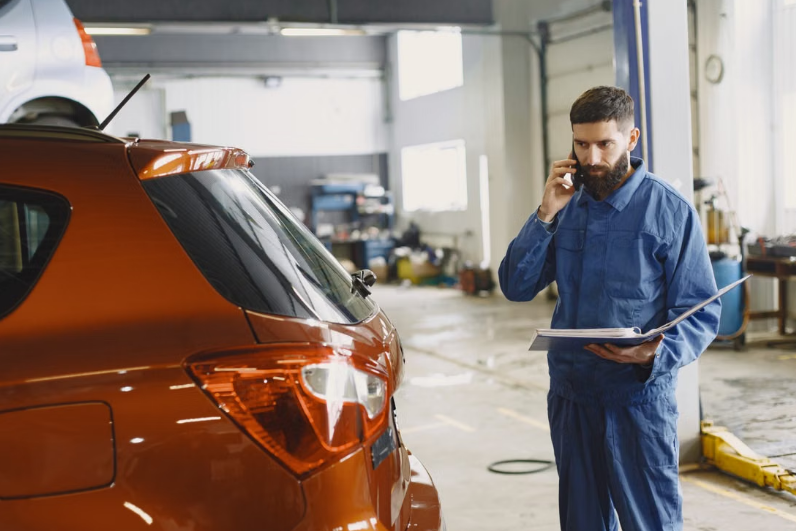
Preparing your vehicle before a roadworthy inspection is one of the most effective ways to avoid a failed result and unnecessary costs. Whether the certificate is needed for a vehicle sale, re-registration, or a change of ownership, understanding what inspectors look for makes all the difference. Obtaining a roadworthy certificate in Melbourne workshops issue requires the vehicle to meet a specific set of safety standards — and arriving prepared is always the smartest approach. Carnegie Automotive has put together this practical checklist covering the five most common areas that cause vehicles to fail, so drivers can walk into their inspection with confidence.
1. Tyres — Tread Depth, Condition & Pressure
Tyres are one of the first things checked during a roadworthy inspection and one of the most common reasons a vehicle fails. Inspectors assess tread depth, tyre condition, and whether all tyres are correctly inflated. Under Australian road regulations, the minimum legal tread depth is 1.5mm across the full width of the tyre. Anything below this is an automatic fail.
Before the inspection, check each tyre carefully for:
- Tread depth — use a tread depth gauge or look for the built-in wear indicators in the tyre grooves
- Sidewall damage — cracks, bulges, or cuts in the sidewall are a fail regardless of tread depth
- Inflation — tyres that are significantly over or under-inflated may be flagged
- Mismatched tyres — tyres of significantly different sizes or types on the same axle can also be an issue
If any tyre is close to the legal minimum or showing signs of damage, replacing it before the inspection is the safest and most cost-effective approach. For tyre supply and fitting ahead of a roadworthy inspection, the Tyre Sales & Fitting service covers most major vehicle types.
2. Brakes — Pads, Rotors & Fluid
The braking system is one of the most safety-critical systems on any vehicle and receives close attention during a roadworthy inspection. Inspectors check brake pad thickness, rotor condition, brake lines, and the overall response of the system.
Signs the brakes may not pass inspection include:
- A squealing or grinding noise when braking — usually indicates worn pads or damaged rotors
- A soft or spongy brake pedal — can signal low or contaminated brake fluid
- The vehicle pulling to one side when braking — suggests uneven pad wear or a sticking calliper
- Visible scoring or deep grooves on the brake rotors
Brake fluid should also be checked. Contaminated or moisture-laden fluid affects braking performance and may be flagged during inspection. Having the brakes inspected by a qualified mechanic before the roadworthy appointment confirms whether any components need replacing and avoids a failed inspection result.
3. Lights — Headlights, Indicators & Brake Lights
All exterior lighting must be fully functional for a vehicle to pass a roadworthy inspection. This includes headlights (low and high beam), tail lights, brake lights, reversing lights, indicators (front and rear), hazard lights, number plate lights, and any fog lights fitted to the vehicle.
Checking lights is one of the simplest pre-inspection tasks a driver can carry out. Walk around the vehicle with the ignition on and test every light individually. Pay particular attention to:
- Brake lights — these are easy to miss without a second person or a reflective surface
- Indicators — both the light function and the flash rate matter
- Headlight aim — headlights that are aimed too high or too low may fail even if the globes are working
- Cracked or broken light lenses — damaged lenses can allow moisture ingress and are a common fail point
Replacing a blown globe or a cracked lens before the inspection is inexpensive and takes only minutes — far preferable to a failed inspection result over something so easily fixed.
4. Steering & Suspension — Play, Noise & Stability
Steering and suspension components affect vehicle control and safety, making them a key focus of any roadworthy inspection. Inspectors check for excessive play in the steering, worn ball joints, damaged control arms, leaking shock absorbers, and any looseness in steering linkages.
Common warning signs that steering or suspension components may not pass include:
- Excessive play or looseness in the steering wheel before the wheels respond
- A clunking or knocking noise when driving over bumps or turning
- The vehicle pulling to one side consistently while driving on a straight road
- Uneven tyre wear — often a sign of worn suspension components or incorrect wheel alignment
- A bouncy or unstable ride that doesn’t settle quickly after hitting a bump
If any of these symptoms are present, having a qualified mechanic inspect the steering and suspension before the roadworthy appointment is strongly recommended. Worn suspension components not only cause inspection failures — they directly affect the safety and handling of the vehicle on the road.
5. Windscreen, Wipers & Visibility
The windscreen and all glass components on the vehicle are assessed during a roadworthy inspection. Cracks, chips, or damage within the driver’s line of sight are a common fail point and are taken seriously because of the direct impact they have on driver visibility.
Before the inspection, check the following:
- Windscreen chips or cracks — particularly any damage directly in front of the driver or within the wiper sweep area
- All window glass — side windows and rear windows must open, close, and operate correctly where applicable
- Windscreen wipers — blades must clear the screen effectively without streaking, skipping, or leaving significant blind spots
- Washer system — the windscreen washer must be operational and produce sufficient fluid to clean the screen
A chipped windscreen can often be repaired rather than replaced if the damage is caught early enough — another reason to check before the inspection rather than on the day.
A Note on Costs
Drivers searching for victoria roadworthy certificate cost will find that pricing varies depending on the vehicle type, the workshop, and whether any repairs are needed before a certificate can be issued. The inspection itself is one cost but arriving with faults that require repair before the vehicle can pass adds to the total. Addressing obvious issues before booking the inspection is the most cost-effective approach and reduces the chance of needing a re-inspection fee.
Why Preparation Matters
Searching for an rwc near you brings up plenty of options, but a passed inspection first time is always the goal. A thorough pre-inspection check of the five areas covered in this guide tyres, brakes, lights, steering and suspension, and windscreen addresses the most common reasons vehicles fail a roadworthy inspection. It also gives the vehicle owner a clearer picture of the overall condition of the car before any formal assessment takes place.
For drivers also considering a broader vehicle health check, combining a roadworthy inspection with a car service in Bentleigh is a practical way to address both the compliance requirement and any general maintenance the vehicle is due for — all in a single visit
Book Your Roadworthy Certificate Inspection Today
Preparing your vehicle properly before the inspection is the smartest way to avoid unnecessary delays and costs. If the vehicle needs a pre-inspection check, a repair, or a full roadworthy certificate inspection carried out by a licensed assessor, Carnegie Automotive is here to help. As a licensed roadworthy assessor holding LMCT Number 11300, the workshop carries out thorough, professional inspections in full compliance with VicRoads safety regulations. Trusted by drivers across Bentleigh East, Carnegie, Oakleigh, Murrumbeena, Ormond, Hughesdale, Moorabbin, McKinnon, Cheltenham, and surrounding Melbourne suburbs, the team provides honest, professional automotive care from start to finish. Speak to a trusted mechanic in Bentleigh — call (03) 9563 6717 to book your inspection or pre-inspection check today. The team is available Monday to Friday, 8am to 5pm, with Saturday appointments available on request.
Frequently Asked Questions
How much does a Roadworthy Certificate cost in Victoria?
The cost of a Roadworthy Certificate inspection in Victoria depends on the type of vehicle and the licensed inspection workshop. If your vehicle requires repairs before the certificate can be issued, those repair costs are additional. Addressing any known faults before your inspection can help reduce the overall cost.
What happens if my car fails a roadworthy inspection?
If your vehicle does not pass the roadworthy inspection, the licensed tester will provide a written report outlining the items that failed to meet the required safety standards. The identified faults must be repaired before the vehicle can be re-inspected. A separate re-inspection fee applies, as the original inspection fee does not include a second inspection.
Where can I get a Roadworthy Certificate in Melbourne?
A Roadworthy Certificate can only be issued by a VicRoads-licensed vehicle tester. Carnegie Automotive, located at 250 E Boundary Road, Bentleigh East VIC, is an authorised inspection station providing roadworthy inspections for drivers across Melbourne’s south-eastern suburbs. Contact the team on (03) 9563 6717 to book an appointment.
What is checked during a roadworthy inspection in Victoria?
A Victorian roadworthy inspection examines safety-related components including tyres, brakes, steering, suspension, seatbelts, lights, windscreen and windows, body and chassis condition, and the engine and underbody for fluid leaks. The inspection focuses on the vehicle’s road safety only and is not a comprehensive mechanical service or assessment of the vehicle’s overall reliability.